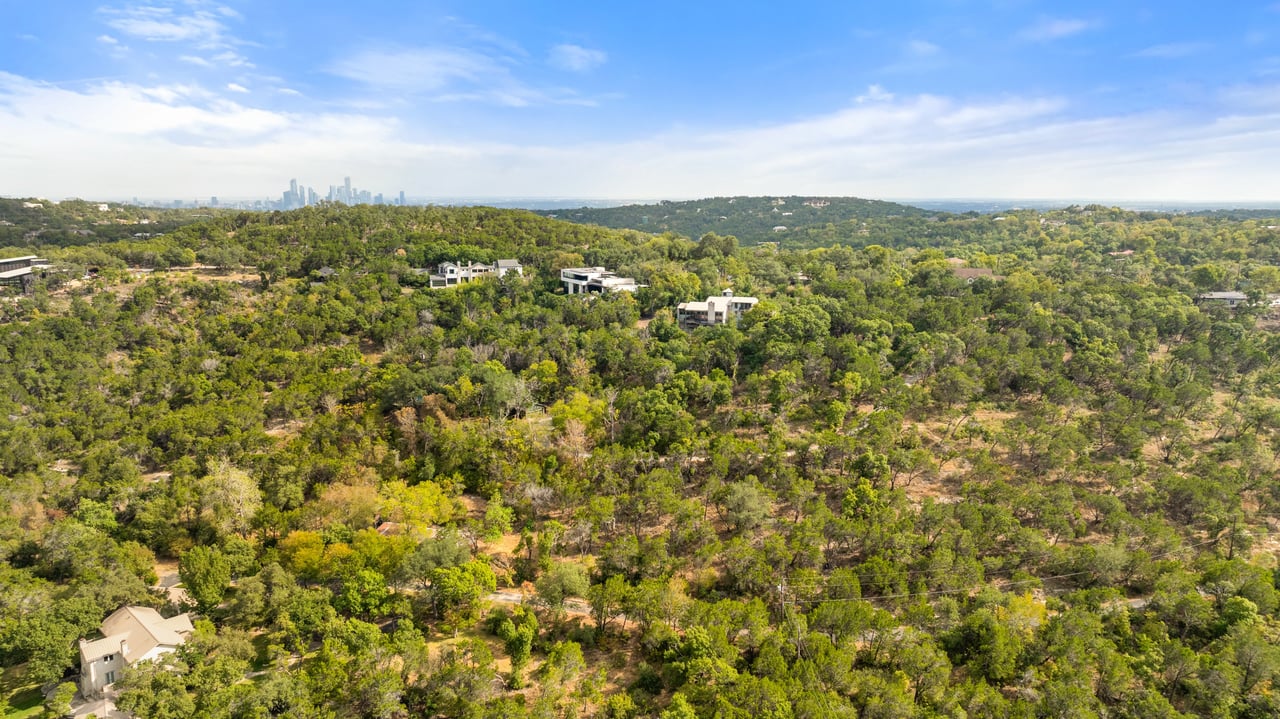
I served eleven years on the West Lake Hills City Council, one of them as Mayor Pro Tem, so I have sat on the side of the table that writes and enforces the rules a teardown has to clear. I have also sold enough land and rebuilds in the 78746 corridor to know exactly where buyers get surprised. A West Lake Hills teardown can be one of the smartest moves in Austin luxury real estate, or an expensive lesson, and the difference is almost always what you understood before you signed. Here are the ten things I make sure every client understands first.
The short version
- In a teardown you are buying the land and the right to build on it, not the house. The house is a rounding error.
- Three things decide what you can actually build: the city that governs the lot, the impervious cover you are allowed, and the slope.
- Trees, septic, drainage, height, and setbacks can each shrink your plan. Know them before you make an offer, not after.
The ten things
- You are buying the lot, not the house
- Confirm which city governs the address
- Impervious cover sets the ceiling on your house
- Slope changes everything
- Heritage trees can dictate your footprint
- Septic versus sewer
- Drainage and flood rules
- Height and setbacks
- The teardown math
- The timeline is longer than you think
1. You are buying the lot, not the house
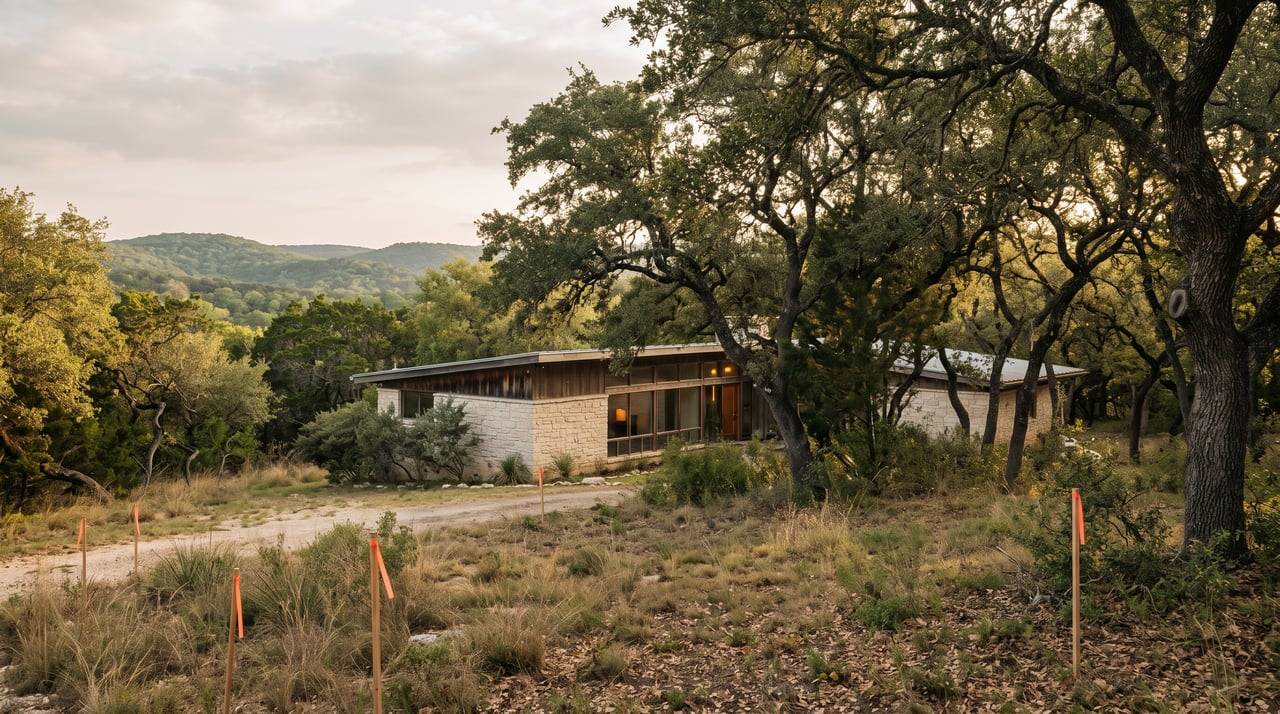
The single mental shift that makes a teardown make sense: stop valuing the structure. In a true teardown, the house contributes close to nothing, and in some cases it is a liability because you pay to remove it. What you are really buying is the land, the location, and the envelope you are allowed to build inside. Two buyers can look at the same tired 1970s ranch and see completely different things, and the one who is pricing the lot rather than the house is the one who understands the deal.
This is also why a modest home on a great West Lake Hills lot can trade for what looks like a crazy number. The buyer is not overpaying for the house. They are paying for the dirt.
2. Confirm which city governs the address
Before anything else, I confirm which jurisdiction the lot sits in, because it changes the rulebook. A West Lake Hills address, a Rollingwood address, and a parcel in Austin's jurisdiction can each carry different permitting, different tax rates, and different building limits. The street name will not always tell you, and it is the first thing that can quietly change your whole plan. I wrote about how easily this trips buyers up in my piece on West Lake Hills versus Rollingwood.
3. Impervious cover sets the ceiling on your house
This is the rule most buyers have never heard of, and it is the one that most often caps a dream build. Impervious cover is everything that water cannot pass through: the house footprint, driveways, patios, walkways, and pool decking. West Lake Hills and the surrounding environmental rules limit how much of your lot can be covered, and those limits get tighter on sensitive lots near creeks or over the Edwards Aquifer recharge zone.
What that means in practice: your allowed impervious cover, not your lot size, often determines how big a house you can build. A one acre lot with a restrictive cover limit may support less finished square footage than a smaller lot with a generous one. I run this number before a client falls in love with a floor plan.
4. Slope changes everything
Westlake is hills, and slope drives cost, design, and sometimes whether you can build at all. Construction on steeper grades generally triggers extra engineering, retaining walls, and pier foundations rather than a simple slab, and the steepest slopes can be largely off limits. A flat, buildable pad is worth a real premium over a dramatic but difficult grade, even when the two lots are the same size.
On a sloped lot I always want a builder and a civil or geotechnical engineer to look before we are deep into a contract. The view might be spectacular and the buildable area might still be small.
5. Heritage trees can dictate your footprint
The mature oaks are part of why Westlake is beautiful, and the city protects them. Larger trees of certain species are treated as heritage trees, which limits how much of the root zone around them you can pave or disturb, and removing one can require permits and mitigation. In real terms, a single protected oak in the wrong spot can push your house one direction, shrink your driveway, or take a pool option off the table.
Trees are an asset and a constraint at the same time. Before you buy, you want a tree survey so you know which ones are protected and how they shape the buildable area.
6. Septic versus sewer
Not every Westlake lot is on city sewer. Many are on septic systems, and that comes with its own rules, especially over the aquifer recharge zone where the city inspects more often and regulates more tightly. A septic system needs suitable soil and physical space for the drain field, which competes with the house, the pool, and the driveway for room on the lot. On a tight or sloped parcel, the septic requirement can meaningfully reduce what you can build. Always confirm whether a lot is on sewer or septic, and if septic, whether the system and soils support your plan.
7. Drainage and flood rules
After flooding events, West Lake Hills tightened its drainage standards, and for good reason: bigger new homes shed more water onto everyone downhill. A rebuild today may need to manage its own stormwater with detention or specific drainage design, which is a real line item and a design constraint. If the lot is near a creek or a low point, this moves from a detail to a central question.
8. Height and setbacks
Height limits and setbacks quietly shape your envelope. West Lake Hills generally caps residential height in the range of thirty feet, with narrow allowances on steep lots, and setbacks from the front, sides, and rear pull your buildable area inward. On a smaller or oddly shaped lot, setbacks alone can be the reason a plan does not fit. These are knowable before you buy, and I map them early.
9. The teardown math
A teardown only pencils when you add up the full basis, not just the land. Here is the stack I walk clients through.
Cost component | What it covers | Why buyers underestimate it |
|---|---|---|
Land | The lot at teardown value | They price it like a home, not like dirt with limits |
Demolition | Removing the existing home, permits, utilities | Forgotten entirely, plus asbestos or tree protection can add cost |
Design and permits | Architect, engineers, surveys, city approvals | Variances and studies for slope or trees add time and fees |
Construction | The build itself | Slope, foundations, and finish level swing this widely |
Soft costs and carrying | Financing, taxes, insurance during the build | A long timeline quietly adds a year or more of carry |
When that all-in number lands below what a comparable finished home costs, and you get exactly the house you want, the teardown wins. When it lands above, you are usually better off buying built. I help clients run this honestly, even when the honest answer is do not do it.
10. The timeline is longer than you think
Design, engineering, tree and drainage review, permitting, and any variances can stack up before a shovel moves, and a custom build on a hill runs long. Plan in years, not months, and budget the carrying cost for that whole window. Buyers who understand the timeline going in are the ones who stay happy with the decision.
Frequently asked questions
Is buying a teardown in West Lake Hills worth it?
It can be, when the all-in cost of land, demolition, design, construction, and carrying comes in below a comparable finished home and you get the exact house you want. It stops being worth it when slope, impervious cover, or tree limits shrink what you can build.
What limits how big a house I can build on a Westlake lot?
Usually impervious cover, not lot size. The allowed coverage, tightened further near creeks or over the aquifer recharge zone, sets a ceiling on the combined footprint of house, driveway, patio, and pool.
Do I need to worry about trees on a teardown lot?
Yes. Protected heritage trees limit how much of their root zone you can pave or disturb, and removing one can require a permit and mitigation. A tree survey before you buy tells you how the trees shape your buildable area.
Are West Lake Hills homes on septic or sewer?
Many are on septic. Septic requires suitable soil and physical space for a drain field and carries stricter rules over the aquifer recharge zone, all of which can reduce what you can build on a tight or sloped lot.
How long does a Westlake teardown and rebuild take?
Plan in years, not months. Design, engineering, tree and drainage review, permitting, any variances, and the build itself all add up, and you carry the lot the entire time.
Considering a teardown or lot in Westlake?
I helped write and enforce the rules a rebuild has to clear, and I know which lots the city will actually let you build on. Before you make an offer, let's pressure test the lot and the numbers together.
Darin Walker is a fifty-year West Lake Hills resident, a former West Lake Hills City Council member and Mayor Pro Tem, and one of the most experienced luxury agents in the 78746 corridor, with more than $375 million in Westlake-area sales at Moreland Properties.