I have lived in West Lake Hills for over 50 years, and I spent twelve of them on the West Lake Hills City Council, including a year as Mayor Pro Tem. Over my career I have closed more than $375 million of real estate inside the 78746 corridor. So when a buyer tells me they are weighing West Lake Hills against Rollingwood, I already know the comparison running in their head, and I know how much of what actually matters never shows up in a listing description or a search filter. This is the version of that conversation I have with my clients in person.
The short version
- They share a zip code (78746) and the same school district (Eanes ISD), which is why buyers treat them as interchangeable. They are not.
- West Lake Hills is hills, slopes, and privacy on roughly one-acre lots. Rollingwood is flat, walkable, and minutes from downtown on smaller lots that average about 0.40 acre.
- The differences that decide a purchase (lot buildability, which city governs the address, and the inventory that never hits the internet) are exactly the ones you cannot see online.
In this guide
- The quick answer, side by side
- Geography and the lot: the difference buyers underestimate
- The jurisdiction trap that catches almost everyone
- Building and remodeling: why the rules matter before you buy
- Schools: same district, different feel
- Lifestyle and commute
- Price and the off-market reality
- Which one is right for you
- Frequently asked questions
The quick answer, side by side
Both communities sit in the 78746 zip code and both feed Eanes ISD, consistently ranked the top public school district in Texas. That shared DNA is what makes buyers assume the two are the same purchase in different wrapping. Here is how they actually compare.
Factor | West Lake Hills | Rollingwood |
|---|---|---|
Type of place | Incorporated city in the hills west of Lake Austin | Tiny incorporated city next to Zilker Park |
Size | Several square miles, many distinct sub-neighborhoods | Under one square mile, one close-knit community |
Terrain | Hilly and wooded, view and privacy lots | Mostly flat and level |
Average lot size | About 1 acre | About 0.40 acre |
Feel | Spread out, estate-like, quiet | Walkable, sociable, in-town |
Utilities | Primarily on septic | On a city sewer system |
Commute downtown | Roughly 10 to 20 minutes depending on the pocket | About 5 minutes, close to 3 miles |
City government | City of West Lake Hills, own ordinances and permitting | City of Rollingwood, own police, city hall, and codes |
Amenities | Natural scenery, privacy, and views | Central park, ball fields, and the Rollingwood Pool (memberships) |
Building rules | Strict: slope, impervious cover, drainage, height | City-administered, flatter lots simplify most builds |
Schools | Eanes ISD, several elementary feeders | Eanes ISD |
Price character | Wide range, rising into ultra-luxury estates | High per-lot value, strong even for teardowns |
Geography and the lot: the difference buyers underestimate
This is the single biggest thing buyers miss, and it is invisible in photos. Rollingwood is largely flat, on lots that average about 0.40 acre and sit on a city sewer system. A level lot builds cleanly, lands your driveway and foundation without heroics, and gives you a usable backyard for a family and a pool. That is a large part of why a modest older home in Rollingwood can trade for a number that surprises people from out of market: buyers are paying for the land and the ease of building on it, not the house.
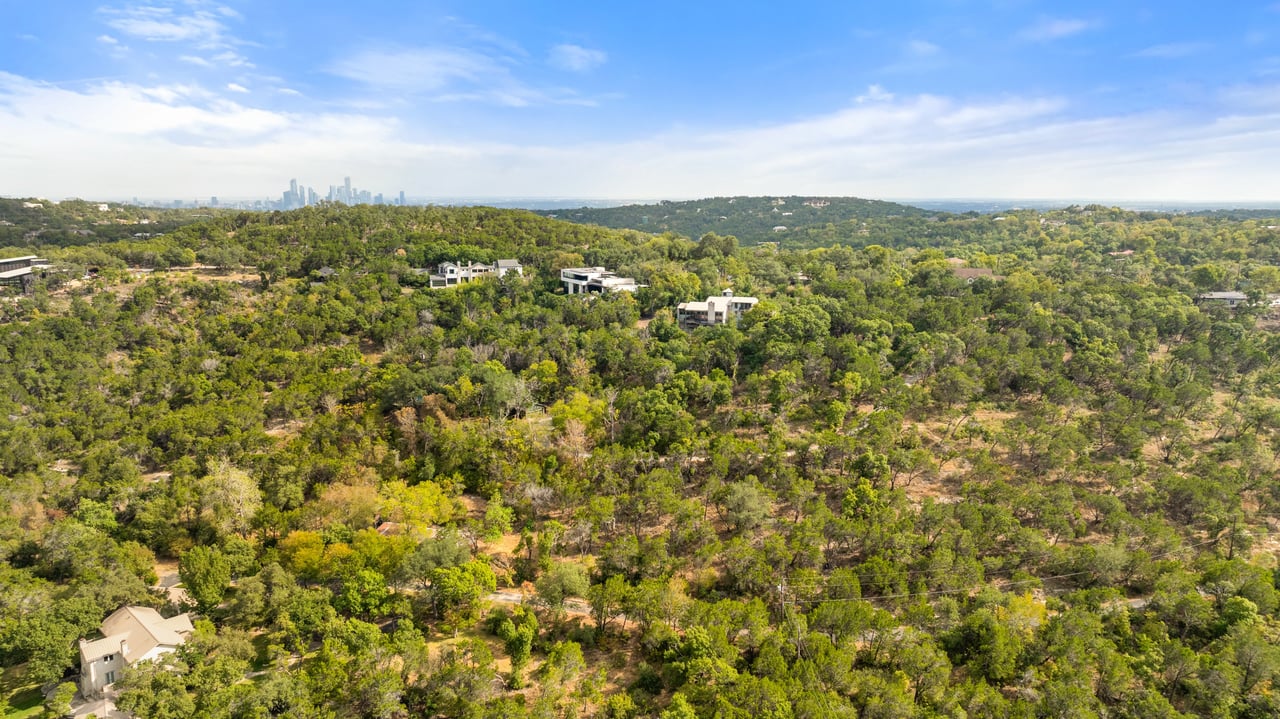
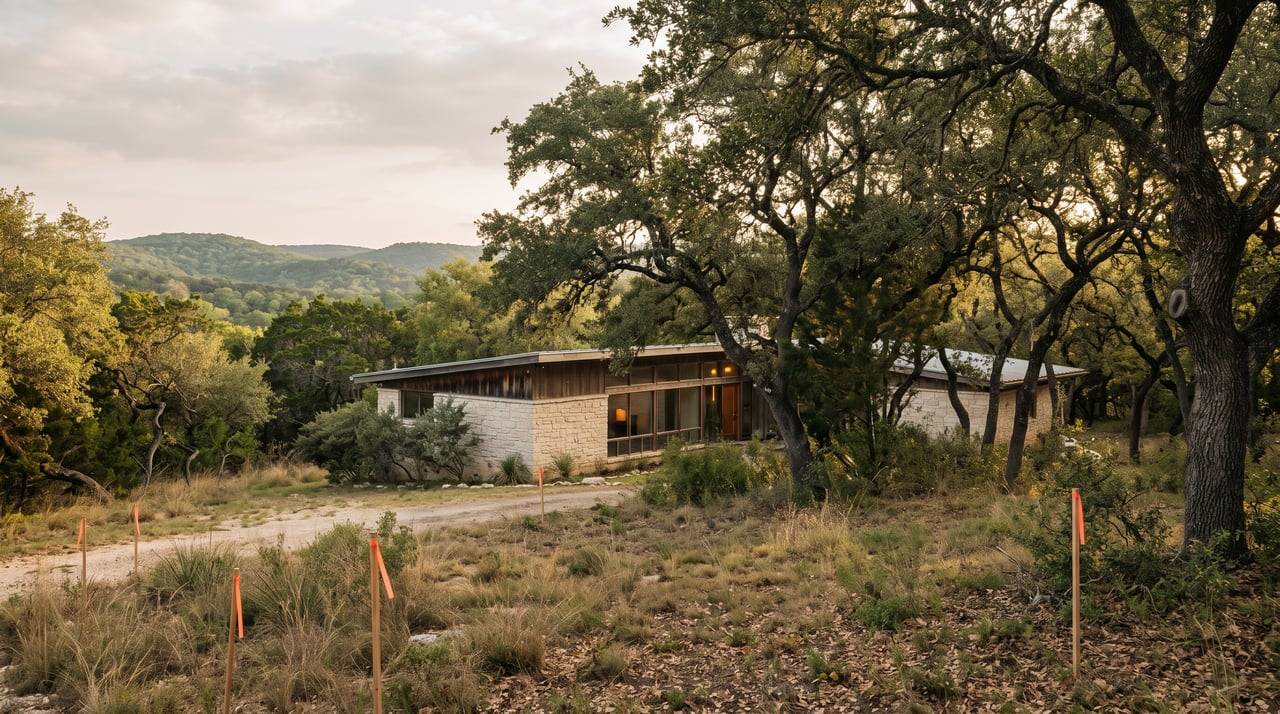
West Lake Hills is the opposite kind of canvas. Lots run larger, closer to an acre, and most homes are on septic rather than city sewer. The terrain is the entire appeal, the views, the tree canopy, the sense of being tucked into the hills, but slope is also what makes two lots of identical acreage behave like completely different properties. A gentle, buildable lot and a steep one that needs retaining walls, engineered drainage, and a pier foundation are worlds apart in cost and timeline, even when the listing photos look similar.
If you want the full breakdown of why that happens, it deserves its own read, and I wrote one. For now, the takeaway is simple: in Rollingwood you are usually buying a straightforward lot, and in West Lake Hills you are buying a lot that a builder and a civil engineer need to look at before you know what you really have.
The jurisdiction trap that catches almost everyone
Here is a nuance that even seasoned buyers get wrong. "Rollingwood" is both a neighborhood name and the name of a city, and they are not always the same thing. You will see homes marketed with a Rollingwood address that are actually inside the City of West Lake Hills, not the City of Rollingwood. The two cities sit right against each other, and the street name does not tell you which one governs a given address.
Why does that matter to you as a buyer? Because the city that has jurisdiction over the address decides three things you will live with for years:
- Property taxes. The two cities carry different rates, and the difference is real money on a multimillion dollar home.
- Permitting and building rules. Who you answer to when you remodel, add on, or rebuild, and how hard that process will be.
- Services. Which police force responds, who handles your permits, and how the city runs day to day.
Building and remodeling: why the rules matter before you buy
Most buyers think about building rules after closing. In this corridor you want to think about them before you make an offer, because they change what a property is worth to you.
West Lake Hills enforces its own ordinances, and much of the city sits on grades where construction gets complicated. Impervious cover limits, drainage requirements, height restrictions, and building on slopes above a certain steepness can trigger engineering studies and variance requests. The fact that most of the city is on septic rather than sewer adds another consideration, since a system needs suitable soil and space on the lot. The city also tightened its drainage standards after flooding events, and larger new homes generate more runoff, which the city now regulates carefully. None of this is a reason to avoid West Lake Hills. It is a reason to know, before you buy, whether the house you are picturing can actually be built on that lot.
Rollingwood administers its own codes as well, but the flatter terrain and city sewer remove most of the slope and drainage gymnastics. That is a meaningful advantage if your plan is to renovate heavily or tear down and rebuild.
If you are specifically looking at land or a teardown, the economics deserve real attention, and I cover them in depth separately. The one line summary: the rules are not obstacles once you understand them, but they absolutely belong in your buying decision, not your post-closing surprise pile.
Schools: same district, different feel
Both communities are in Eanes ISD, and every path leads to Westlake High School, one of the top-ranked public high schools in the country. The premium buyers pay to be inside these boundaries is real and measurable, and it holds property values steady even when other parts of the metro soften.
The difference is at the elementary level and in the day to day experience:
- Rollingwood children attend Eanes ISD schools like the rest of the corridor, and the walkable, close community feel is a big part of the draw.
- West Lake Hills spans several elementary attendance zones depending on where in the city you are, so two homes a few minutes apart can feed different elementary schools.
Because assignments are address specific and can change, I always verify the exact zoning for any home before a client writes an offer around a particular school.
Lifestyle and commute
Rollingwood lives like an in-town neighborhood that happens to have its own city hall. It is a more traditional neighborhood, with a central park, ball fields, and the Rollingwood Pool that residents join by membership. You can walk to Zilker Park, the greenbelt, and Barton Springs, and you are a few minutes from downtown. It suits buyers who want proximity, walkability, and a sociable street where neighbors know each other.
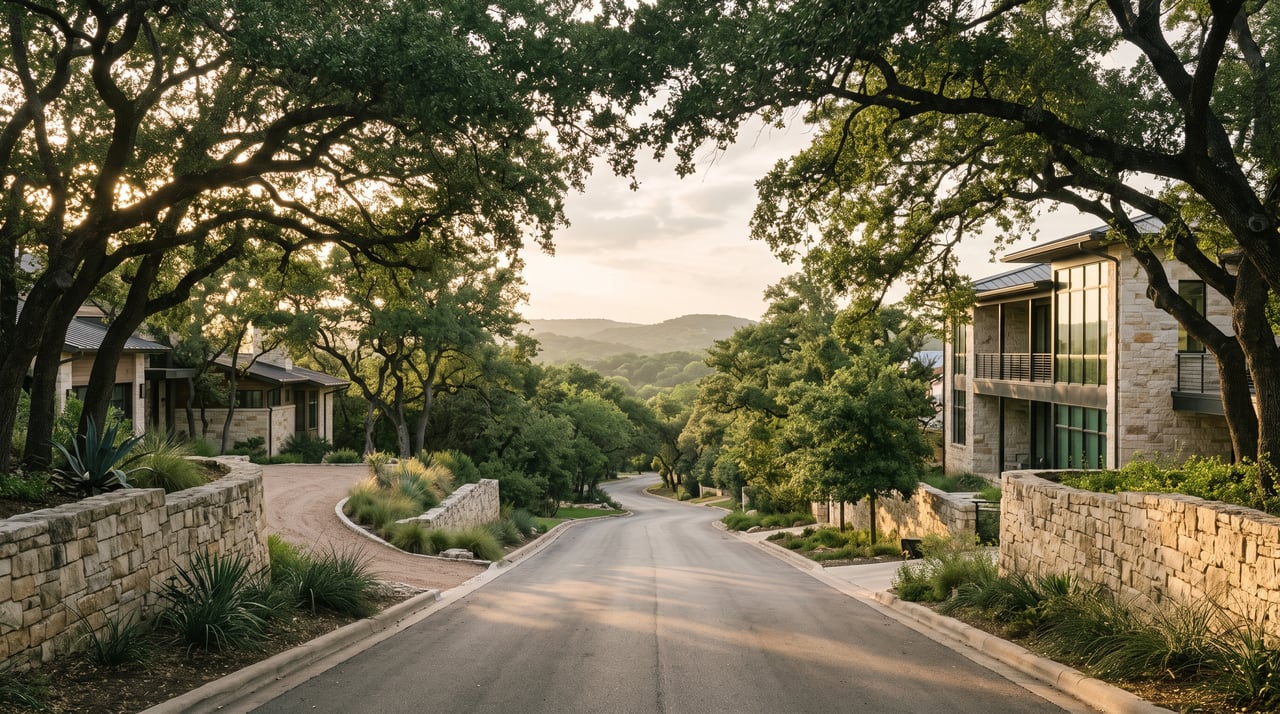
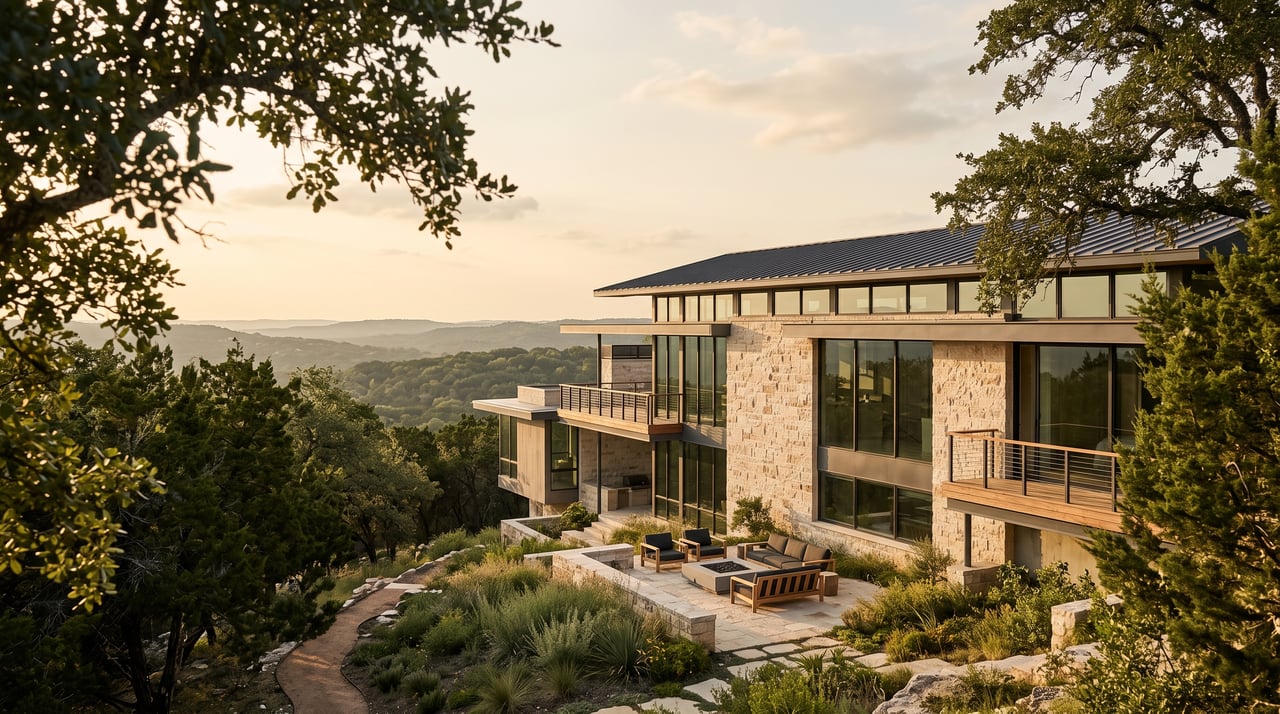
West Lake Hills lives like the hill country with a downtown skyline in the distance. It trades the neighborhood-park feel for natural scenery, privacy, and views. Homes are more private, lots are bigger, and several pockets sit close to Lake Austin and the waterfront. It suits buyers who want space, views, and separation from the buzz, and who do not mind trading a few minutes of drive time for it.
Price and the off-market reality
Here is the part that frustrates data-driven buyers. The public numbers in 78746 do not tell the whole story, because a meaningful share of the best inventory in both communities never reaches the MLS. It moves privately, agent to agent, before it is ever listed. When you look at median prices and days on market online, you are seeing a partial picture by design.
That is not a marketing line, it is how the top of this market actually works, and it is the clearest example of a difference you cannot see online. The buyers who win the best homes here are usually the ones plugged into the private side of the market through an agent who lives in it. On price character, expect Rollingwood to command strong per-lot value even for older homes, and expect West Lake Hills to run a wider band that climbs well into the ultra-luxury tier.
Which one is right for you
- Choose Rollingwood if you want walkability, a short downtown commute, a flat and easy-to-build lot on city sewer, and a traditional neighborhood with a park, ball fields, and a community pool, and you are comfortable in a smaller footprint of a city.
- Choose West Lake Hills if you want privacy, acreage, views, proximity to Lake Austin, and a wider range of estate options, and you are willing to do the lot homework that hilly terrain requires.
Plenty of my clients start certain they want one and buy in the other once they see how these differences play out against how they actually live. That is the whole point of walking the ground with someone who knows both.
Frequently asked questions
Are West Lake Hills and Rollingwood in the same school district?
Yes. Both are in the 78746 zip code and both feed Eanes ISD, ending at Westlake High School. The elementary assignment is what varies by address.
Is Rollingwood part of West Lake Hills?
No. They are two separate incorporated cities that sit next to each other. To add to the confusion, some homes with a Rollingwood address are actually governed by the City of West Lake Hills, which affects taxes and permitting, so the jurisdiction should always be verified.
Which has a shorter commute to downtown Austin?
Rollingwood, comfortably. It is roughly three miles out on flat roads, about a five minute drive. West Lake Hills ranges from about ten to twenty minutes depending on which pocket you are in.
What is the difference in lot size and utilities?
Rollingwood lots average about 0.40 acre and are on a city sewer system. West Lake Hills lots run larger, closer to an acre, and are primarily on septic. That affects both what you can build and how you build it.
Are there homes for sale here that never appear online?
Yes. A significant portion of the best inventory in both communities trades privately before it is ever listed, which is why working the off-market side matters so much in 78746.
Which is better for luxury buyers, West Lake Hills or Rollingwood?
Neither is better outright. Rollingwood wins on walkability, easy flat lots, and a traditional neighborhood feel with a park and pool. West Lake Hills wins on privacy, views, acreage, and estate-scale options. The right answer depends entirely on how you want to live.
Thinking about a home in West Lake Hills or Rollingwood?
I have lived and sold in this corridor for decades, and much of what moves here never reaches the public market. If you want an honest read on which community fits you, and access to homes you will not find online, let's talk.
Darin Walker has lived in West Lake Hills for over 50 years, served twelve years on the West Lake Hills City Council including a year as Mayor Pro Tem, and is one of the most experienced luxury agents in the 78746 corridor, with more than $375 million in Westlake-area sales at Moreland Properties.