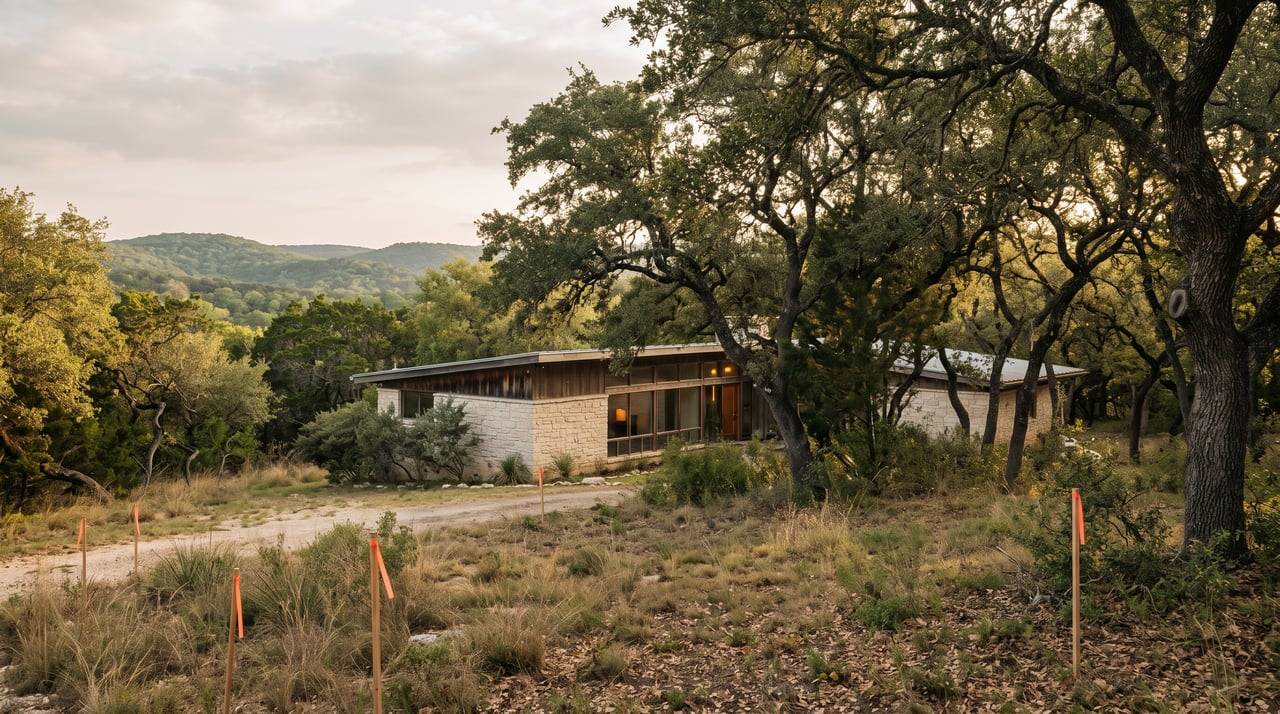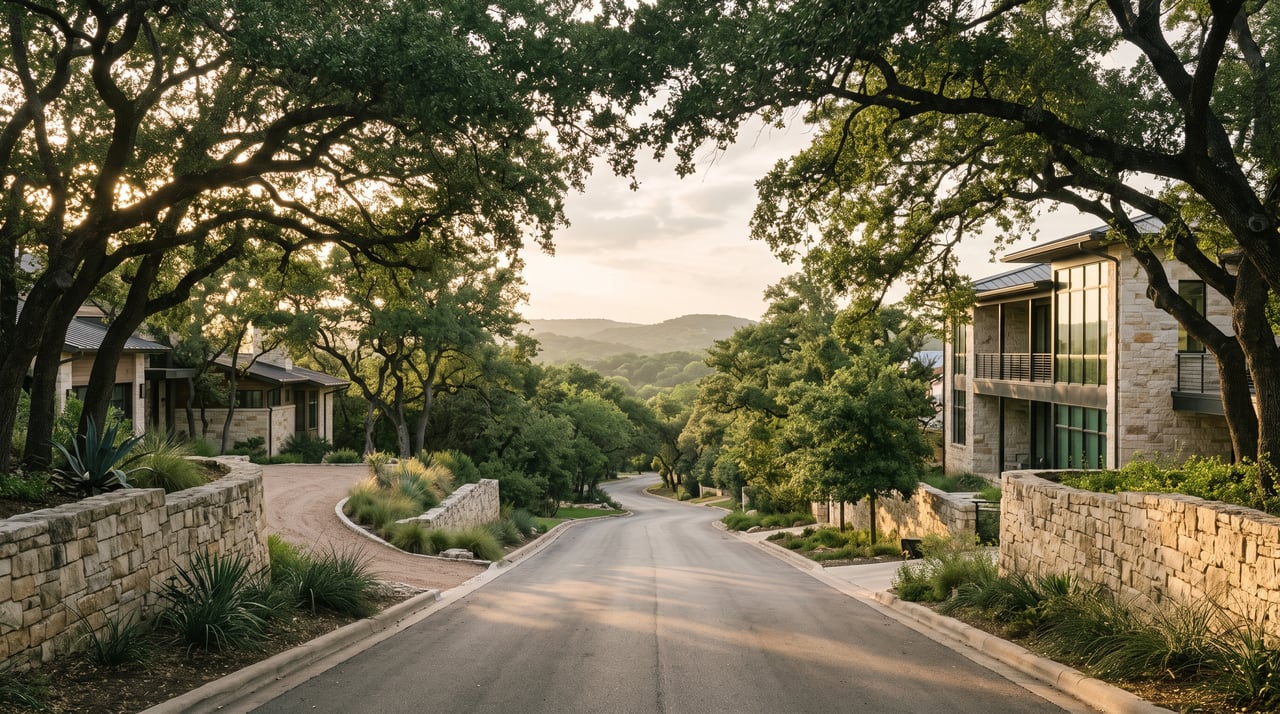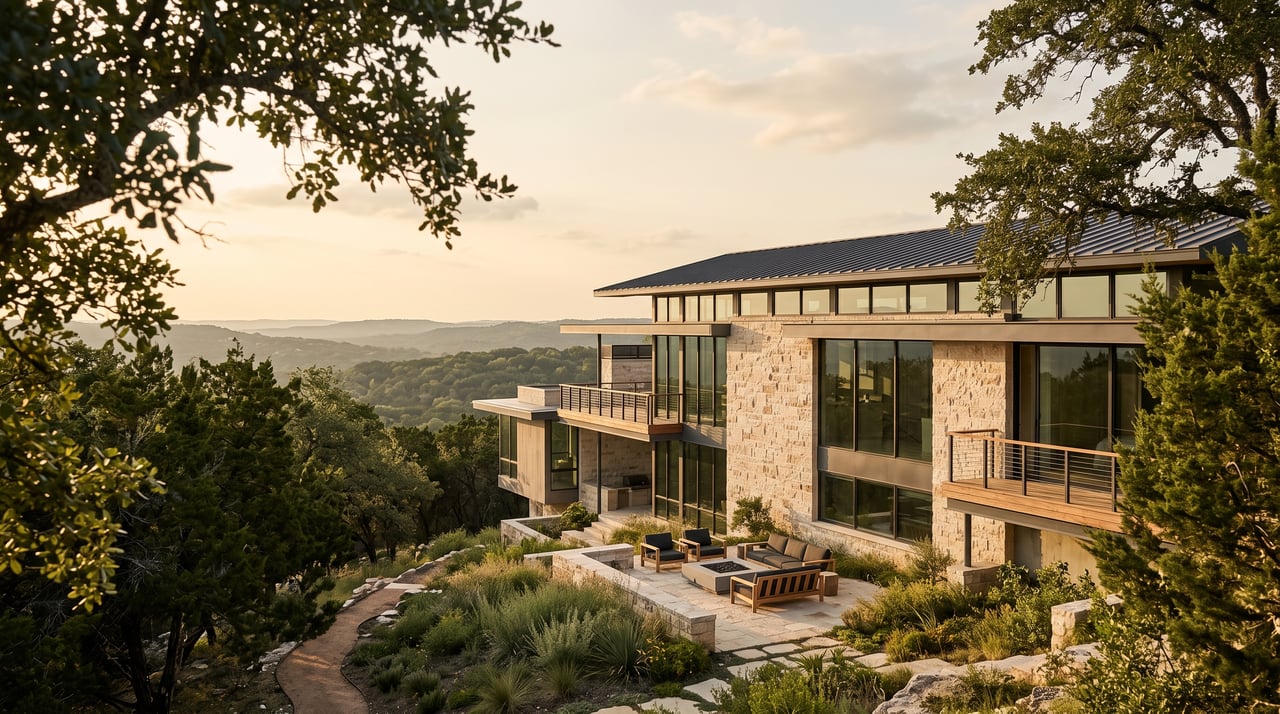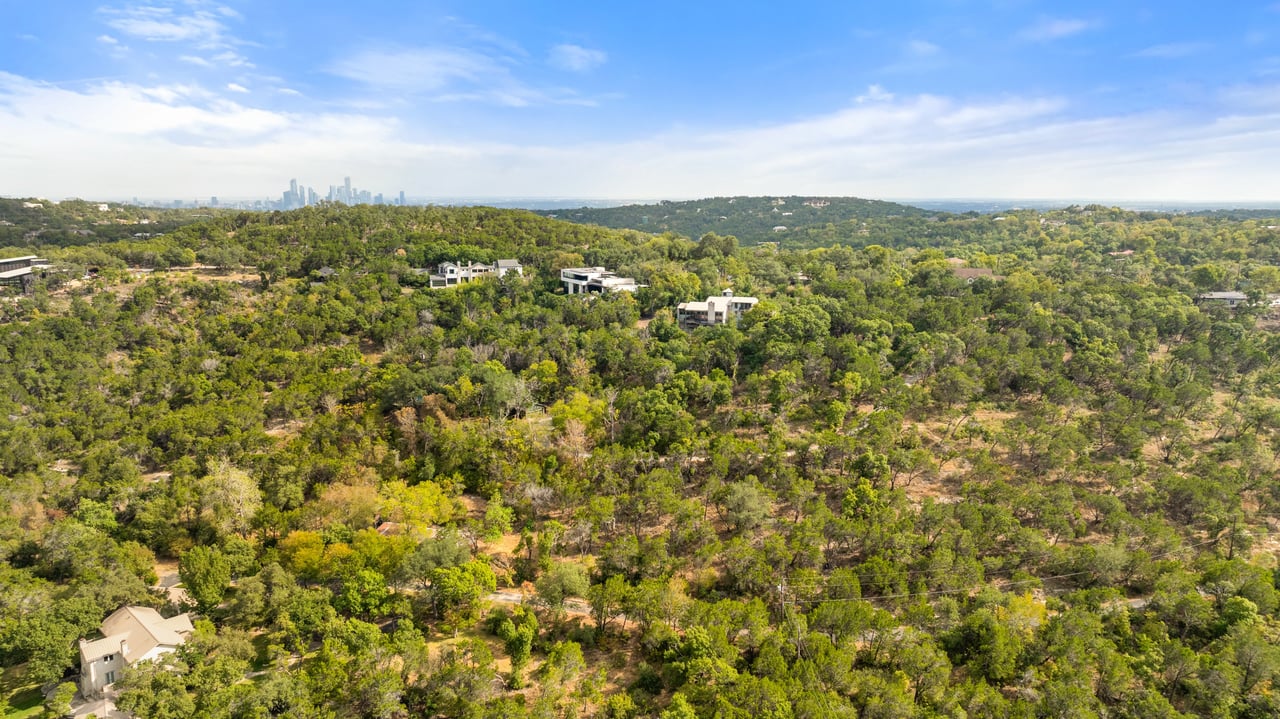
Two lots on the same Westlake street, both about an acre, both beautiful. One sells for two million, the other for five. Buyers ask me how that is possible all the time, and the honest answer is that in West Lake Hills, acreage is not the same as value. What matters is how much of that acre you can actually use, what the rules let you build on it, and a handful of features that never fit inside a listing's square footage field. After decades selling in the 78746 corridor, and twelve years on the City Council applying these exact rules, here is what really separates a two million dollar lot from a five million dollar one.
The short version
- Lot size is the headline. Buildable area is the truth. Slope, setbacks, and easements can erase half an acre on paper.
- What you are allowed to build, set by impervious cover and environmental limits, often matters more than how big the lot is.
- Water, protected views, trees, and jurisdiction each move value in ways two matching lot sizes completely hide.
In this guide
1. Buildable area, not acreage
The most important number on a Westlake lot is not its size, it is how much of it you can actually build on. Slope, required setbacks from every property line, easements, drainage areas, and tree protection all carve into the raw acreage. Two one acre lots can have wildly different buildable footprints once you subtract what the rules and the terrain take off the table. I always look at the usable pad, not the survey's total.
2. What you are allowed to build
Even within the buildable area, impervious cover limits cap the combined footprint of your house, driveway, patio, and pool. Those limits tighten on environmentally sensitive lots near creeks or over the Edwards Aquifer recharge zone. This is why a smaller lot with a generous cover allowance can support a larger home than a bigger lot with a restrictive one. Buyers who only compare acreage miss this entirely, and it is often the biggest single driver of the price gap. My guide to buying a teardown goes deeper on how these caps work.
3. Slope and the flat pad premium
A flat, ready to build pad is one of the most valuable things a Westlake lot can offer, because it lowers construction cost and raises usable space. A steep lot may deliver a stunning view but demand retaining walls, deep foundations, and engineering that add cost and eat into the buildable area. Same acreage, very different build. That premium for a gentle, usable grade is real and it shows up directly in price.
4. Water and protected views
Nothing separates two similar lots faster than water and views. Direct Lake Austin frontage with a dock is a different asset class than a lot with no water at all, and a protected canyon or hill country view carries a premium over a lot that looks into the neighbor's roofline. The key word on views is protected: a sightline that a future build can block is worth far less than one that topography or a preserve guarantees stays open. I dug into this in my piece on the most valuable streets in Westlake.
5. Trees, both ways
Mature trees cut both directions. A canopy of heritage oaks adds enormous beauty and value, and buyers pay for it. At the same time, protected trees limit how much of the root zone you can pave or disturb, which can shrink the buildable footprint and route your design around them. Two identical lots, one with its best oak dead center and one with its trees along the edges, will build very differently and price differently.
6. Access, shape, and easements
The boring details move real money. A wide, flat street frontage is worth more than a narrow flag lot reached by a long shared driveway. A clean rectangle builds more easily than an awkward pie shape. And easements, whether for utilities, drainage, or access, quietly remove usable land and dictate where you cannot build. None of this shows up in the lot size, and all of it shows up in the price.
7. Utilities and jurisdiction
Whether a lot is on city sewer or on septic changes both cost and usable space, since a septic drain field competes with the house for room and carries stricter rules over the aquifer recharge zone. And the city that governs the lot, West Lake Hills, Rollingwood, or Austin, sets the tax rate and the building limits, which is why two neighboring lots can carry different ceilings on what you can build. I covered that jurisdiction quirk in my West Lake Hills versus Rollingwood comparison.
8. A tale of two one-acre lots
Here is how these factors stack up on paper. Both lots are one acre on the same street. Watch what happens to the value.
Factor | Lot A (the higher price) | Lot B (the lower price) |
|---|---|---|
Buildable area | Large flat pad, most of the acre usable | Steep, only a fraction is usable |
Impervious cover | Generous allowance, supports a large home | Restricted near a creek, caps the build |
View | Protected canyon view | Faces neighboring rooftops |
Trees | Heritage oaks along the edges | Best oak sits dead center of the pad |
Access and shape | Wide frontage, clean rectangle | Narrow flag lot, shared driveway |
Result | Builds a large view home easily | Builds a smaller home at higher cost |
Same size, same street, and a gap of millions. Nothing in the acreage figure would have told you that. This is why I never let a client judge a lot by its size alone.
Frequently asked questions
Why do two same-size lots in Westlake sell for such different prices?
Because acreage is not value. Buildable area, allowed impervious cover, slope, views, trees, access, and jurisdiction all vary lot to lot, and any one of them can move the price by a large margin even when the lot sizes match.
What is buildable area and why does it matter more than lot size?
Buildable area is the portion of a lot you can actually build on after subtracting slope, setbacks, easements, drainage, and tree protection. It is often far smaller than the total acreage, and it is what really determines the home you can put on the land.
Does a lake or hill country view really change the price that much?
Yes. True water frontage is a rare, fixed asset, and a protected view that cannot be built out commands a strong premium over a lot with no view or a view a future neighbor could block.
How do trees affect a lot's value?
Both ways. A heritage oak canopy adds beauty and value, but protected trees also limit how much of the root zone you can pave or disturb, which can shrink the buildable footprint depending on where the trees sit.
How do I know what a Westlake lot is really worth?
By reading the survey, topography, tree map, watershed, utilities, and jurisdiction together, not by comparing lot sizes. That combined read is what separates a bargain from a trap.
Looking at a lot and wondering if the price is right?
I read Westlake lots the way the city does, and I can tell you fast whether a price is a bargain or a trap. Send me the address and let's look at it together.
Darin Walker has lived in West Lake Hills for over 50 years, served twelve years on the West Lake Hills City Council including a year as Mayor Pro Tem, and is one of the most experienced luxury agents in the 78746 corridor, with more than $375 million in Westlake-area sales at Moreland Properties.