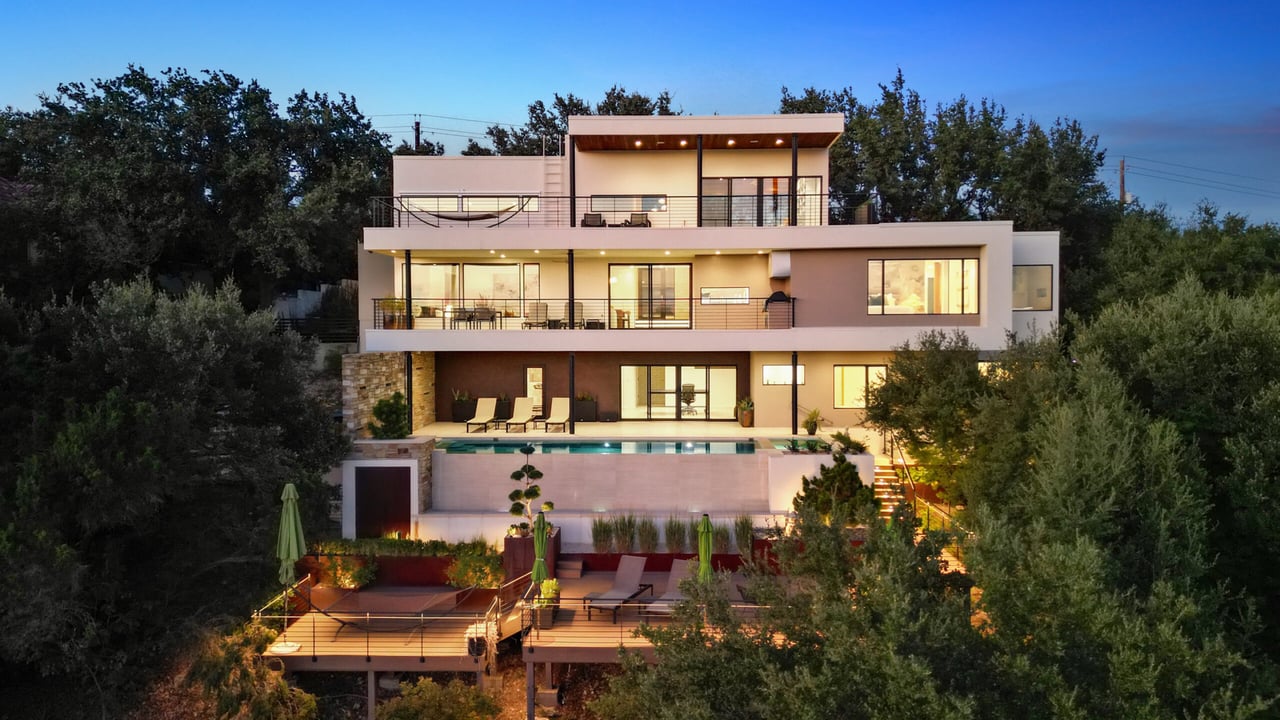
Few things move the price of an Austin home like a view. Two houses of the same size on the same street can sell hundreds of thousands of dollars apart because one looks out over the downtown skyline and the other looks at its neighbor's roofline. I have spent more than 50 years in the hills west of downtown and sold some of the area's best view properties, and this is the guide I walk my own buyers through before they fall in love with a sunset.
The short version
- Austin's best views sit west of MoPac, where the Balcones Escarpment lifts Westlake, West Lake Hills, Barton Creek, and the Lake Austin bluffs above the city.
- In Texas, a private view has no automatic legal protection. It lasts only as long as the land below it, the trees around it, and any easements or deed restrictions keep it open.
- Hilltop homes cost more to build and maintain: deeper foundations, retaining walls, steeper driveways, and, inside the City of Austin, wildfire construction rules.
In this guide
1. Why Austin's views sit west of MoPac
Austin is built on the Balcones Escarpment, the line where the flat Blackland Prairie to the east meets the Texas Hill Country to the west. The fault zone runs roughly along MoPac. East of it, the land is gentle. West of it, the ground climbs into limestone hills and bluffs, and that rise is what gives Westlake, West Lake Hills, Barton Creek, and the neighborhoods above Lake Austin their long views back toward downtown.
Mount Bonnell, the public overlook above Lake Austin, rises to about 775 feet above sea level and is one of the few public spots with a sweeping view of the city. The private homesites on the ridges around it are where the market's best skyline views are found.
2. Where to find city and hilltop views
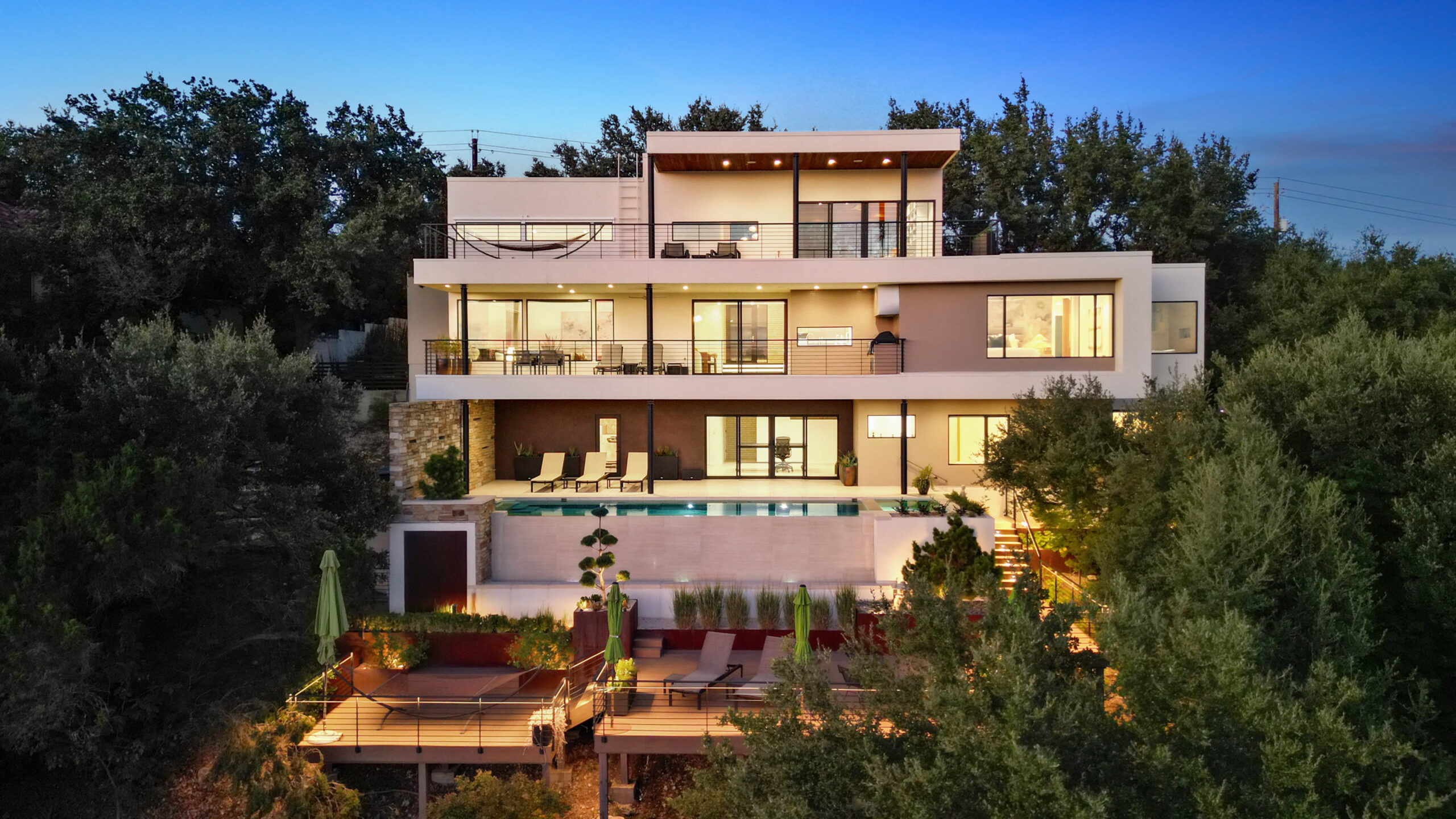
- Westlake and West Lake Hills: the highest concentration of skyline views in the market. Homes on the east-facing ridges look straight across to downtown, ten to fifteen minutes away by car.
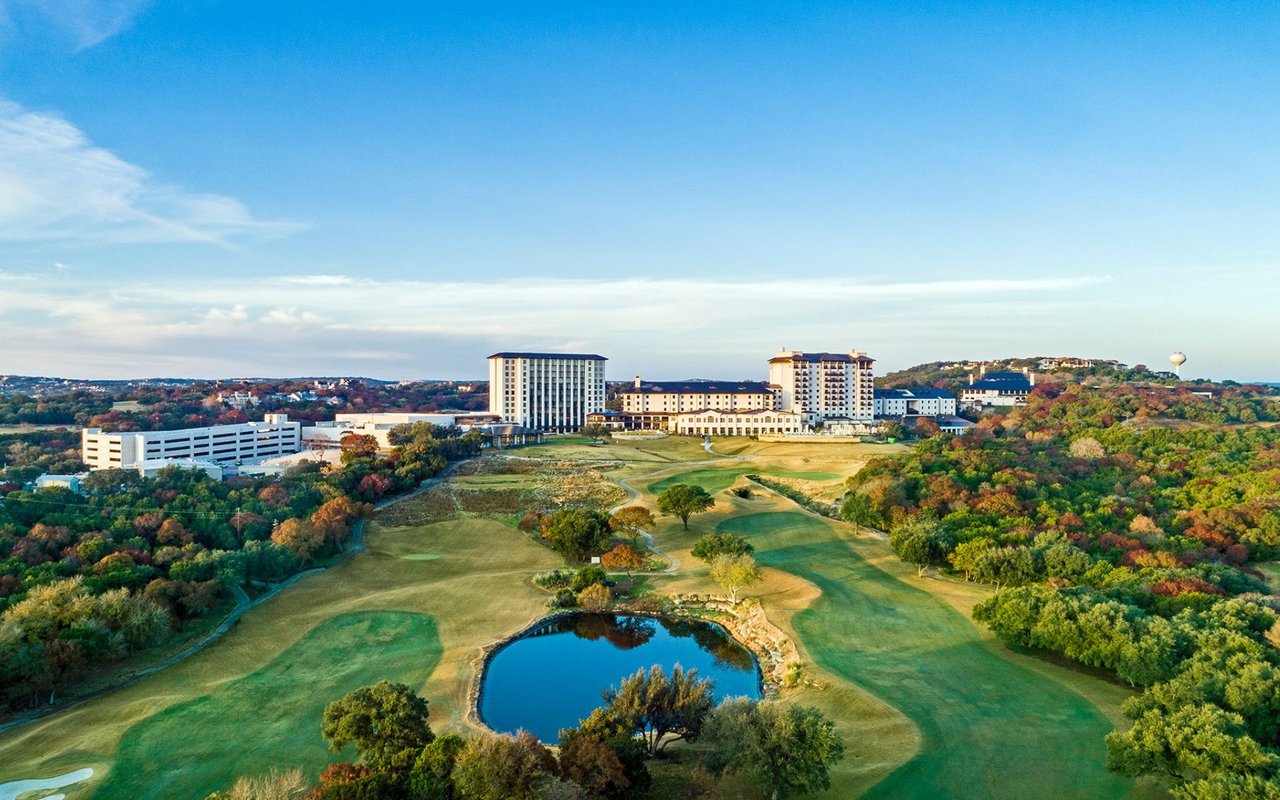
- Barton Creek: gated sections with views over the Barton Creek greenbelt and Hill Country, and on the right lots, the skyline beyond.
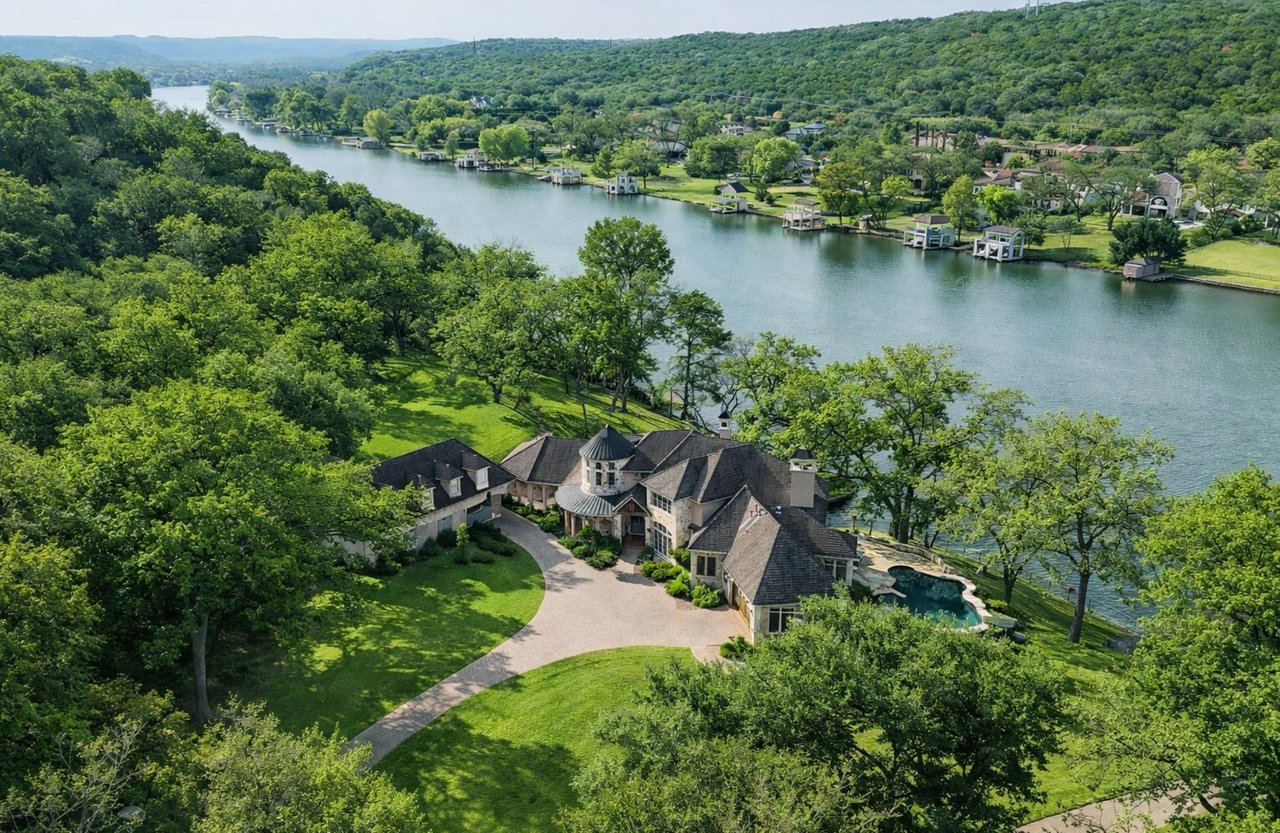
- The Lake Austin bluffs: homes near Mount Bonnell and along the high banks of the lake combine water views with city lights.
- Downtown high-rises: the alternative for buyers who want the skyline without a hillside, with views set by floor height and which way the unit faces.
Our West Lake Hills neighborhood guide and Lake Austin homes for sale page cover the two areas where most of my view buyers end up.
3. Skyline, Hill Country, lake, and sunset views
Not every view is worth the same, and the direction a home faces decides what you see and when.
View | Where it comes from | What to know |
|---|---|---|
Downtown skyline | East-facing homes in Westlake and West Lake Hills | Morning sun and city lights at night. The view most buyers ask for first. |
Hill Country | West-facing ridges in Westlake, Barton Creek, and beyond | Long, green, and private. West glass brings sunsets and afternoon heat. |
Lake Austin | Bluffs and elevated lots along the lake | Water plus elevation is rare and priced accordingly. |
Sunset | Any high, west-facing lot | Ask how the home handles summer sun: overhangs, glazing, and shades matter. |
4. Who protects your view
Austin is famous for protecting views, but those protections are for the State Capitol, not for private homes. State law defines 30 Capitol View Corridors, first enacted in 1983, and the City of Austin added its own Capitol View Protection Ordinance in 1985. Each corridor runs from a fixed point to the Capitol dome, and nothing may be built that blocks it. One corridor starts at a scenic overlook in West Lake Hills.
A private view is different. Texas law gives a homeowner no general right to light, air, or a view across a neighbor's land. Your view lasts as long as three things hold:
- The land below you stays as it is, or is limited by height rules, setbacks, or slope that keep future homes low.
- The trees in the line of sight stay at their current height, or can legally be trimmed. Heritage oaks often cannot be removed.
- Any view easement or deed restriction in the subdivision's recorded documents limits what neighbors can build.
Height limits are set by each city. West Lake Hills, Rollingwood, and Austin all write their own rules, so I pull the zoning for the lots below any view property my clients consider, along with the plat and deed restrictions.
5. Building and living on a hillside
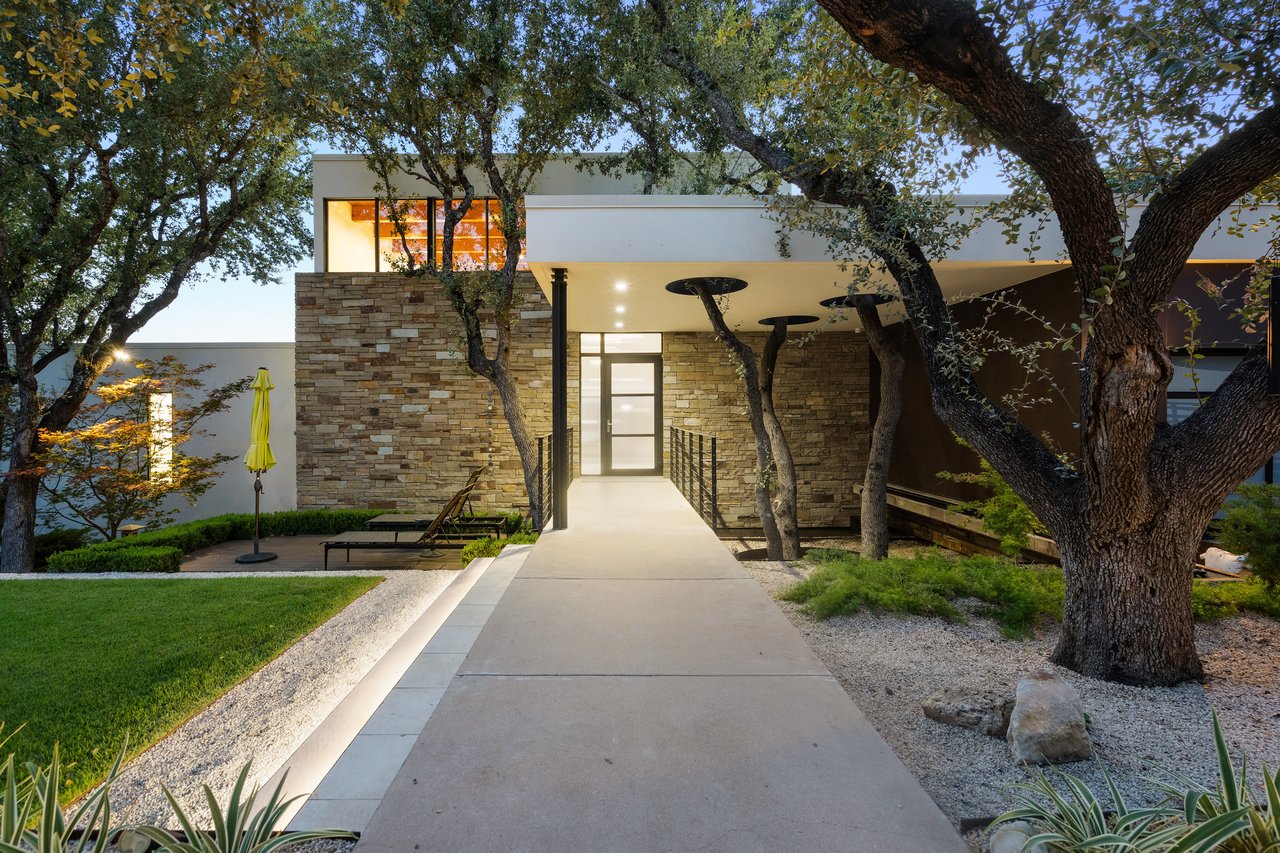
The same slope that creates the view drives the cost of building on it. Hillside homes typically need pier foundations drilled into rock, engineered retaining walls, and longer, steeper driveways. Impervious cover limits apply to every lot, and on a steep site the buildable area can be much smaller than the acreage suggests. I explain how slope and trees change a lot's value in why two Westlake lots the same size sell for very different prices.
Wildfire rules now shape new construction too. Austin was the first major Texas city to adopt the International Wildland-Urban Interface Code, which took effect January 1, 2021, with an updated version in effect since July 10, 2025. More than half of the city falls in one of its three zones. Inside those zones, new homes and major remodels need Class A roofs, ignition-resistant or noncombustible exterior walls, ember-resistant vents, approved windows and doors, and a five-foot noncombustible zone around the house. West Lake Hills and Rollingwood set their own building codes, so the rules depend on which city the lot sits in.
Day to day, hilltop living also means wind, sun, and access. Glass that frames a view also lets in heat, and a steep driveway is a daily feature, so I make sure my clients see a hilltop home in the afternoon heat and after dark before they write an offer.
6. What view properties sell for
Some of my own view sales show what this market pays for elevation:
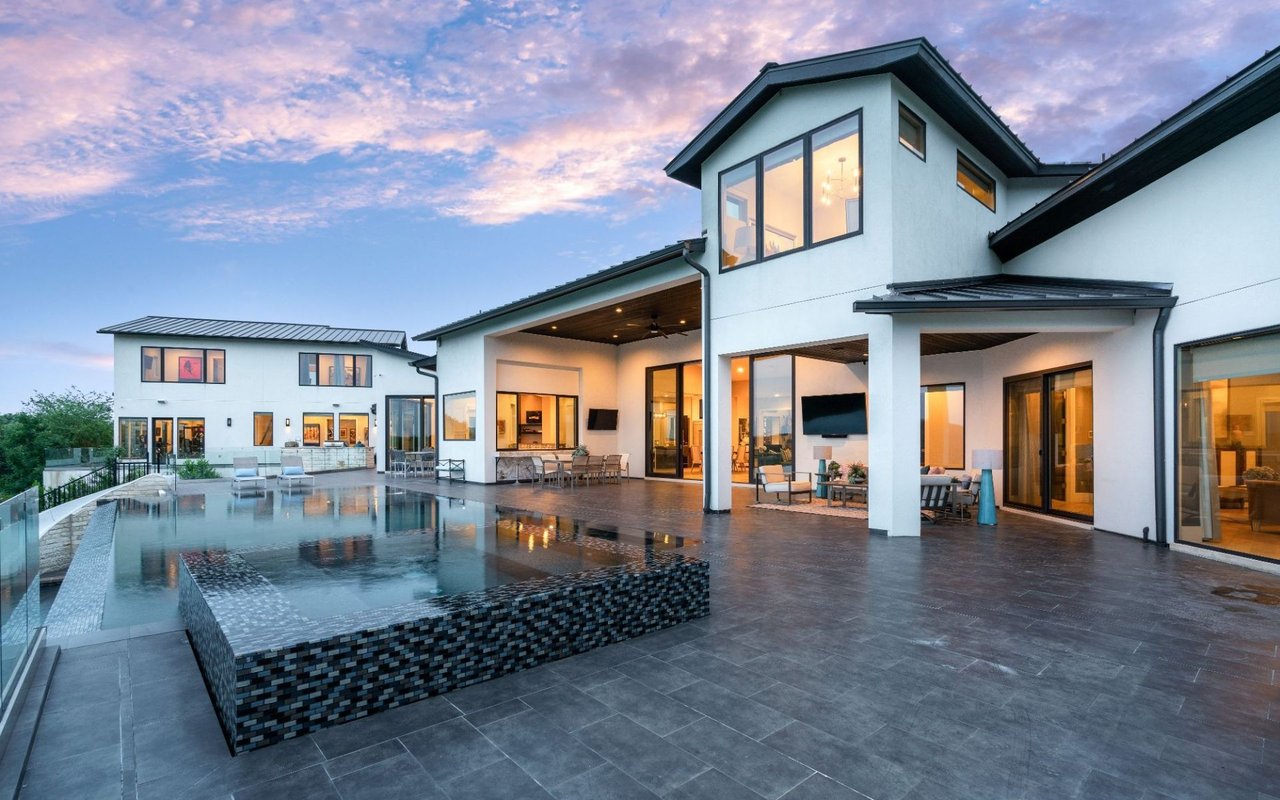
- 1704 Mount Larson, Westlake, $5,575,000: a 2010 modern home at the top of Westlake with 4,780 square feet and downtown skyline views on 1.01 acres.
- 303 Cedar Oak Drive, West Lake Hills, $7,000,000: a five-bedroom home with 7,019 square feet and downtown views on 1.04 acres, where I represented the buyer.
- 3304 Stoneridge Drive, Westlake, $8,500,000: a new gated enclave of four estate lots of one acre or more with sweeping city and Hill Country views.
The pattern holds across price points: on comparable lots, the one with the protected skyline view commands the higher price.
7. The view buyer's checklist
- Visit three times: morning, late afternoon, and after dark. The skyline at night is the view most buyers pay for.
- Walk the land below: look for vacant lots, teardowns, and young trees that will grow into the sightline.
- Pull the documents: plat, deed restrictions, any view easement, and the zoning for the lots below.
- Check the slope: get a survey with topography and confirm how much of the lot is buildable.
- Test the driveway and access in wet weather and with your own vehicles.
- Ask about water pressure and whether the home uses a booster pump, which is common at elevation.
- Price the insurance early, including wildfire coverage, before you are under contract.
Insider note: many of the best view homes in Westlake change hands quietly. Owners who have watched the skyline grow for decades often prefer a private sale, and I hear about those homes before they reach the market.
Frequently asked questions
Are private views protected in Austin?
No. Texas law gives homeowners no general right to a view across a neighbor's property. Austin's Capitol View Corridors protect views of the State Capitol only. A private view is protected by easements, deed restrictions, and the zoning and topography of the land below it.
Where are the best city views in Austin?
West of MoPac, where the Balcones Escarpment raises Westlake, West Lake Hills, Barton Creek, and the Lake Austin bluffs above downtown. East-facing homes on those ridges have the most direct skyline views.
Do views add value to an Austin home?
Yes. A protected skyline or lake view is one of the strongest price drivers on otherwise comparable lots.
Is it more expensive to build on a hillside?
Yes. Hillside sites typically need pier foundations, retaining walls, and longer driveways, and impervious cover limits can shrink the buildable area. Inside Austin's wildfire zones, new homes also need ignition-resistant construction.
What is the Wildland-Urban Interface Code?
It is the wildfire building code Austin adopted for areas near open land. It took effect January 1, 2021, and was updated July 10, 2025. It requires Class A roofs, ignition-resistant exteriors, ember-resistant vents, and a five-foot noncombustible zone around the home.
Looking for a home with a view?
I know which Westlake ridges hold their views and which ones are one teardown away from losing them, and I can show you view homes that are not on the market yet. Start a conversation.
Sources: Texas Government Code Chapter 3151 and City of Austin Capitol View Protection Ordinance; City of Austin Fire Department, Wildland-Urban Interface Code; Mount Bonnell elevation via Wikipedia; Darin Walker notable transactions.